What Is Green Energy and Why It Matters Today
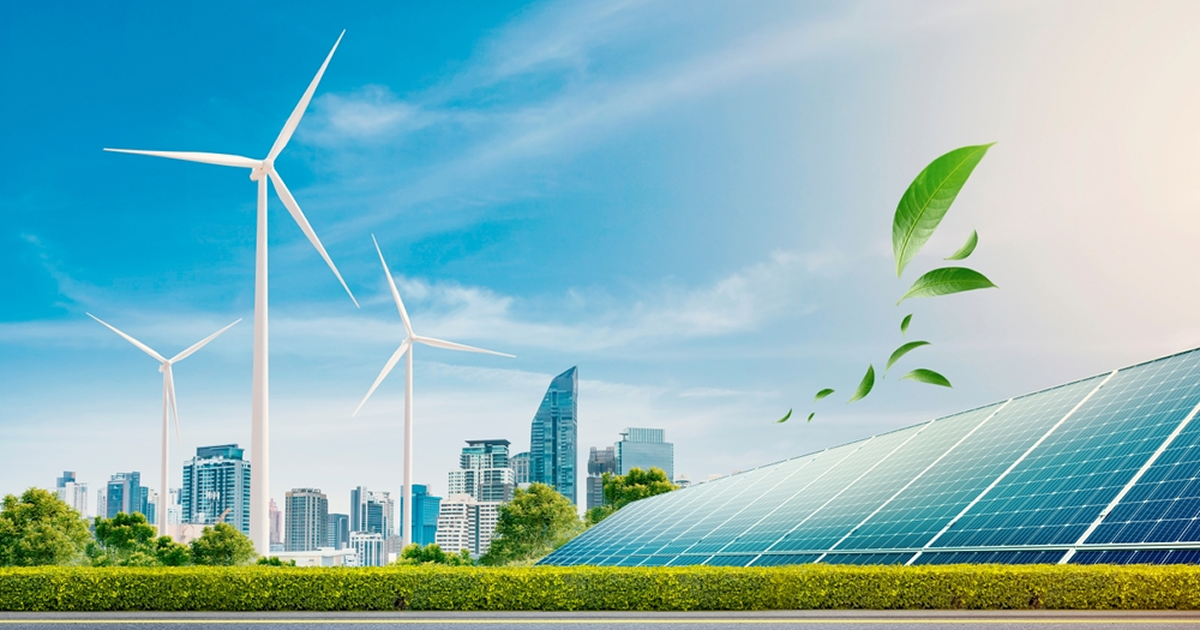
Green energy has become one of the most important topics in modern discussions about sustainability, climate responsibility, and future electricity systems. As global energy demand continues to rise, the shift toward cleaner energy sources is essential for protecting natural resources and reducing environmental impact.
Understanding what green energy is—and why it matters today—helps individuals and communities make smarter choices about electricity use and long-term sustainability.
What Is Green Energy? 🌍
Green energy refers to electricity generated from natural sources that produce little or no pollution and are continuously replenished by nature.
Unlike fossil fuels such as coal or oil, green energy sources:
- Do not release large amounts of greenhouse gases
- Are renewable and naturally available
- Reduce environmental damage
- Support long-term energy sustainability
These characteristics make green energy a key solution for future power needs.
Common Types of Green Energy Sources ☀️🌬️
Several renewable resources are widely used to generate green electricity today.
Solar Energy
Solar panels convert sunlight into electricity using photovoltaic technology.
Key advantages:
- Abundant availability in many regions
- Suitable for homes and businesses
- Low maintenance requirements
- Scalable installation options
Wind Energy
Wind turbines generate electricity by converting moving air into mechanical power.
Benefits include:
- Clean electricity generation
- Efficient large-scale production
- Reduced dependence on fossil fuels
- Suitable for both coastal and inland regions
Hydropower
Hydropower uses flowing water to generate electricity.
Advantages include:
- Reliable power production
- Long operational lifespan
- Stable energy output
- Low emissions during operation
Biomass Energy
Biomass energy is produced from organic materials such as agricultural waste and plant matter.
Key features:
- Converts waste into useful energy
- Reduces landfill pressure
- Supports rural energy systems
- Provides renewable heating solutions
Why Green Energy Matters More Than Ever Today 📊
Rising energy demand and environmental concerns have increased the importance of renewable electricity sources worldwide.
Green energy plays a vital role in:
- Reducing air pollution
- Limiting climate change effects
- Conserving natural resources
- Supporting sustainable development
- Improving long-term energy security
These benefits make green energy essential for modern societies.
Green Energy Helps Reduce Carbon Emissions 🌫️
Traditional electricity generation often depends on fossil fuels that release harmful greenhouse gases.
Switching to green energy helps:
- Lower carbon dioxide emissions
- Improve air quality
- Reduce health risks linked to pollution
- Slow global temperature rise
Cleaner electricity contributes directly to a healthier environment.
Renewable Energy Supports Energy Independence 🔋
Countries that invest in green energy reduce their reliance on imported fuels.
This leads to:
- Greater energy stability
- Reduced exposure to fuel price fluctuations
- Stronger local energy production systems
- Improved national energy security
Energy independence strengthens both economies and communities.
Green Energy Creates Economic Opportunities 💼
The renewable energy sector is growing rapidly across the world.
It supports:
- New employment opportunities
- Technological innovation
- Local manufacturing growth
- Infrastructure development
Clean energy investment benefits both the environment and the economy.
Homes Can Play an Important Role in the Green Energy Transition 🏠
Households are increasingly participating in renewable electricity adoption.
Simple actions include:
- Installing rooftop solar panels
- Using energy-efficient appliances
- Choosing green electricity plans when available
- Reducing unnecessary electricity usage
These steps help accelerate the shift toward sustainable energy systems.
Green Energy Helps Protect Natural Resources 🌳
Fossil fuels are limited and environmentally damaging to extract.
Renewable energy sources help preserve:
- Forest ecosystems
- Water resources
- Air quality
- Wildlife habitats
Protecting these resources supports long-term environmental balance.
The Future of Electricity Depends on Renewable Energy 🌞
Global electricity systems are gradually shifting toward cleaner power generation methods. Advances in solar technology, battery storage, and smart grids are making green energy more practical and accessible than ever before.
As adoption increases, renewable electricity will become a central part of everyday life.
FAQs About Green Energy
1. Is green energy the same as renewable energy?
Green energy is a type of renewable energy that produces minimal environmental impact, although not all renewable sources are always considered completely “green” depending on how they are implemented.
2. Can green energy fully replace fossil fuels in the future?
Many experts believe renewable energy can supply a large portion of future electricity needs as technology improves and infrastructure expands.
3. Is solar energy suitable for residential areas?
Yes. Solar energy works well for homes with adequate sunlight exposure and rooftop space.
4. Does green energy reduce electricity costs over time?
In many cases, renewable energy systems lower long-term electricity costs by reducing reliance on grid power.
5. Are green energy systems reliable during bad weather?
Energy production may vary with weather conditions, but combined systems and storage solutions help maintain consistent supply.
6. Can small communities benefit from green energy projects?
Yes. Community-level renewable energy systems improve reliability and reduce dependence on centralized infrastructure.
7. How can individuals support the adoption of green energy?
People can support green energy by conserving electricity, installing renewable systems when possible, and encouraging sustainable practices within their communities.