Green Energy Innovations Changing the Power Industry
The global power industry is undergoing one of the most significant transformations in its history. Driven by environmental concerns, technological breakthroughs, and rising energy demand, green energy innovations are reshaping how electricity is generated, stored, and distributed. These advancements are not only reducing emissions but also making power systems more reliable, affordable, and accessible.
Understanding these innovations helps households, industries, and policymakers adapt to a cleaner and more resilient energy future.
The Shift Toward Cleaner Power Systems
Traditional electricity generation relied heavily on fossil fuels such as coal and oil. Today, energy systems are rapidly transitioning toward low-carbon alternatives that reduce environmental impact while improving efficiency.
Key drivers behind this transition include:
- rising global electricity demand
- climate responsibility commitments
- declining renewable technology costs
- improvements in grid infrastructure
- increasing investment in clean energy research
These factors together are accelerating innovation across the power sector.
Solar Energy Advancements Transforming Electricity Production ☀️
Solar technology has become one of the fastest-growing sources of electricity worldwide.
Recent innovations include:
- high-efficiency photovoltaic panels that generate more power from limited space
- flexible solar modules for rooftops and portable applications
- bifacial panels that capture sunlight from both sides
- floating solar installations on reservoirs and lakes
These developments allow solar systems to operate efficiently in urban, rural, and industrial environments.
Wind Power Technologies Becoming More Efficient 🌬️
Wind energy continues to expand due to improvements in turbine engineering and installation methods.
Modern wind innovations include:
- taller turbines capturing stronger wind currents
- offshore wind farms producing higher energy output
- quieter blade designs reducing noise impact
- smart sensors optimizing turbine performance
These upgrades significantly increase electricity generation capacity compared to earlier designs.
Energy Storage Systems Supporting Renewable Reliability 🔋
One major challenge with renewable energy is variability. Advanced storage systems now help balance supply and demand more effectively.
Important storage innovations include:
- grid-scale lithium battery systems
- solid-state battery research
- pumped hydro storage modernization
- thermal energy storage technologies
These solutions allow renewable electricity to remain available even when sunlight or wind levels fluctuate.
Smart Grids Improving Electricity Distribution 📡
Traditional power grids were designed for one-way electricity flow. Modern smart grids enable two-way communication between utilities and consumers.
Smart grid capabilities include:
- real-time demand monitoring
- automatic outage detection
- improved voltage control
- integration of rooftop solar systems
- support for electric vehicle charging networks
These features increase grid stability while improving energy efficiency.
Green Hydrogen Emerging as a Clean Fuel Alternative ⚗️
Green hydrogen is produced using renewable electricity instead of fossil fuels, making it a promising clean energy carrier.
Its potential applications include:
- industrial manufacturing processes
- long-distance transport fuel
- backup power generation
- seasonal energy storage
As production technology improves, green hydrogen may play a central role in future energy systems.
Artificial Intelligence Enhancing Power Management 🤖
Artificial intelligence is becoming essential for optimizing energy generation and distribution.
AI supports the power sector by:
- predicting electricity demand accurately
- optimizing renewable energy scheduling
- detecting equipment faults early
- improving maintenance planning
- balancing grid supply automatically
These capabilities increase both efficiency and reliability across energy networks.
Electric Vehicle Integration Reshaping Energy Demand 🚗
Electric vehicles are transforming not only transportation but also electricity infrastructure.
Innovations supporting EV integration include:
- vehicle-to-grid energy sharing systems
- fast-charging infrastructure development
- smart charging management software
- home charging optimization tools
These technologies allow electric vehicles to support grid stability rather than simply drawing power from it.
Floating Renewable Power Expanding Installation Possibilities 🌊
Limited land availability has encouraged innovation in floating renewable systems.
Examples include:
- floating solar farms on reservoirs
- offshore wind platforms
- hybrid floating wind–solar installations
These solutions expand renewable deployment without competing with urban or agricultural land use.
Digital Energy Monitoring Empowering Consumers 📊
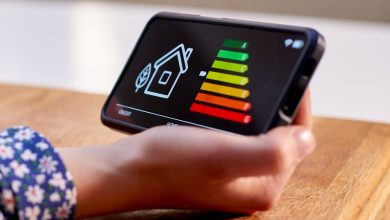
Advanced monitoring systems now allow households and industries to track electricity usage in real time.
Benefits include:
- better energy planning
- reduced electricity waste
- improved appliance scheduling
- lower utility costs
- increased awareness of consumption patterns
Consumer participation strengthens overall grid efficiency.
Frequently Asked Questions (FAQs)
1. What makes green energy technologies different from traditional power generation methods?
Green energy technologies generate electricity using renewable sources such as sunlight, wind, and water instead of fossil fuels.
2. Are renewable energy systems reliable enough for large-scale electricity supply?
Yes. Modern storage systems and smart grid technologies help maintain consistent supply even when renewable output varies.
3. How do green energy innovations affect electricity prices over time?
As technology improves and production scales increase, renewable electricity costs continue to decline in many regions.
4. Can developing regions benefit from renewable energy innovations?
Yes. Decentralized solar and wind systems help expand electricity access in areas without large grid infrastructure.
5. What industries benefit the most from green hydrogen technology?
Industries such as steel manufacturing, shipping, and heavy transport are expected to benefit significantly from green hydrogen adoption.
6. Do renewable technologies create new employment opportunities?
Yes. Clean energy industries support jobs in manufacturing, installation, maintenance, research, and infrastructure development.
7. How does digital monitoring improve household participation in energy conservation?
Digital monitoring tools help households understand usage patterns and adjust consumption habits to improve efficiency and reduce waste.