Sustainable Living Tips for Urban Residents
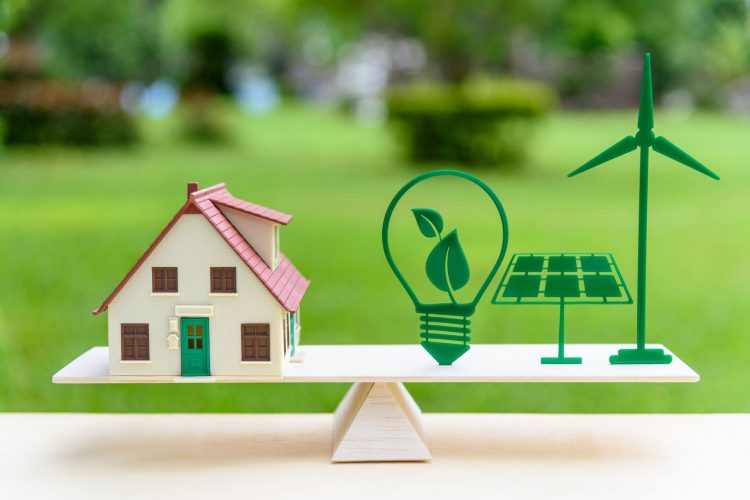
Living sustainably in a city may seem challenging at first glance. Limited space, fast-paced routines, and heavy reliance on infrastructure can make eco-friendly choices feel complicated. Yet urban environments actually offer powerful opportunities to reduce environmental impact through smarter habits, shared systems, and mindful consumption.
This guide explores practical, realistic ways city residents can adopt sustainable living practices without disrupting daily life—while saving money, improving well-being, and contributing to a healthier planet. 🌍
Why Sustainable Living Matters in Cities
Cities consume a large share of global energy and resources. However, they also provide efficient transportation systems, compact housing, and shared services that make sustainability easier than in many rural settings.
Urban residents who adopt eco-conscious habits can:
- Reduce household waste significantly
- Lower electricity and water consumption
- Improve indoor air quality
- Support local economies
- Decrease carbon footprints through shared infrastructure
Small decisions made consistently can create meaningful change.
Optimize Energy Use at Home ⚡
Electricity consumption is one of the largest contributors to urban carbon footprints. Fortunately, simple adjustments can make a noticeable difference.
Start with these improvements:
- Switch to LED lighting
- Unplug unused chargers and appliances
- Use energy-efficient appliances
- Maximize natural daylight instead of artificial lighting
- Keep air conditioners at moderate temperatures (24–26°C)
Even modest changes reduce monthly utility costs while lowering emissions.
Reduce Household Waste Effectively ♻️
Urban homes often generate more packaging waste than expected. Adopting a conscious waste strategy helps minimize landfill pressure.
Try these everyday practices:
- Carry reusable shopping bags
- Choose refillable containers
- Avoid single-use plastics
- Separate recyclable materials properly
- Compost kitchen scraps if possible
Many cities now support neighborhood composting initiatives—an excellent opportunity for residents with limited space.
Make Smarter Transportation Choices 🚶♂️🚲
Transportation plays a major role in urban environmental impact. Switching travel habits can dramatically reduce emissions.
Consider alternatives such as:
- Walking short distances
- Cycling for daily errands
- Using public transportation
- Carpooling with colleagues
- Working remotely when possible
These changes not only reduce pollution but also improve physical health and reduce travel expenses.
Grow Greenery in Small Spaces 🌱
Urban residents often underestimate how much greenery can fit into limited living areas.
You can easily create a micro-green environment using:
- Balcony planters
- Window herb gardens
- Vertical wall planters
- Indoor air-purifying plants
Plants improve air quality, reduce indoor heat, and support mental well-being.
Conserve Water Without Sacrificing Comfort 💧
Water conservation is especially important in densely populated areas where demand is high.
Practical steps include:
- Fix leaking taps immediately
- Install low-flow showerheads
- Turn off taps while brushing
- Reuse RO wastewater for cleaning
- Water plants during cooler hours
These habits can significantly reduce monthly water consumption.
Choose Sustainable Food Habits 🍽️
Food choices affect both environmental sustainability and personal health.
Urban residents can adopt eco-friendly eating habits by:
- Buying seasonal produce
- Supporting local markets
- Reducing packaged foods
- Limiting food waste
- Including more plant-based meals
Local sourcing reduces transportation emissions and supports nearby farmers.
Shop More Mindfully 🛍️
Impulse buying increases waste and environmental pressure. Conscious purchasing helps reduce unnecessary consumption.
Adopt a smarter approach:
- Buy durable items instead of disposable ones
- Repair rather than replace
- Choose eco-certified products
- Avoid fast fashion when possible
- Support ethical brands
Minimalism often leads to both financial savings and reduced environmental impact.
Improve Indoor Air Quality Naturally 🌬️
Urban air pollution can affect indoor environments as well. Simple household strategies can improve air quality significantly.
Try these solutions:
- Add indoor plants such as snake plants or pothos
- Keep windows open during low-traffic hours
- Avoid chemical-heavy cleaners
- Use natural ventilation whenever possible
Cleaner indoor air supports long-term respiratory health.
Participate in Community Sustainability Efforts 🤝
Urban sustainability becomes more effective when residents collaborate.
You can contribute by:
- Joining neighborhood cleanup drives
- Supporting recycling programs
- Participating in tree-planting campaigns
- Sharing unused household items locally
- Encouraging community composting
Collective participation strengthens environmental impact at scale.
Build Long-Term Sustainable Habits
Sustainability is not about perfection—it’s about consistency. Small daily improvements gradually create meaningful lifestyle transformation.
Start with one or two changes, then expand your efforts over time. Urban living offers unique advantages that make environmentally responsible choices easier than many people expect.
Frequently Asked Questions (FAQs)
1. Is sustainable living expensive for city residents?
Not necessarily. Many sustainable habits—like reducing electricity use or avoiding disposable items—actually lower monthly expenses over time.
2. Can renters practice sustainable living effectively?
Yes. Renters can adopt energy-saving habits, reduce waste, grow indoor plants, and choose sustainable transportation without needing property ownership.
3. How can apartment dwellers compost kitchen waste?
They can use compact indoor compost bins, balcony compost systems, or participate in community composting programs where available.
4. What are the easiest sustainable habits to start today?
Switching to reusable bags, reducing plastic use, turning off unused appliances, and walking short distances are simple starting points.
5. Does indoor gardening really make a difference in cities?
Yes. Indoor plants improve air quality, regulate humidity, and support mental wellness—especially in dense urban environments.
6. How can families encourage children to adopt eco-friendly habits?
Parents can involve children in recycling, gardening, water conservation, and mindful shopping to build awareness from an early age.
7. Are plant-based diets necessary for sustainable living?
They are not mandatory, but reducing excessive meat consumption can significantly lower environmental impact and improve health outcomes.