Understanding Peak vs Off-Peak Electricity Usage at Home
Electricity demand at home changes throughout the day. Utilities often divide usage into peak and off-peak periods to manage supply efficiently and encourage smarter consumption habits. Understanding how these time slots work helps households reduce electricity bills while supporting a more stable energy system.
Learning when electricity costs more—and when it costs less—allows you to adjust daily routines without sacrificing comfort.
What Is Peak Electricity Usage?
Peak electricity usage refers to the time of day when demand for electricity is highest across homes, offices, and industries.
These periods usually occur when:
- people return home from work
- cooking appliances are used frequently
- air conditioners or heaters operate heavily
- lighting demand increases after sunset
Because many users draw power simultaneously, electricity supply systems experience greater pressure during these hours.
What Is Off-Peak Electricity Usage?
Off-peak electricity usage happens when overall demand is lower and energy supply is more readily available.
Typical off-peak times include:
- late night hours
- early morning periods
- mid-day intervals in some regions
Electricity providers sometimes offer reduced tariffs during these times to encourage consumers to shift non-essential usage away from peak demand periods.
Why Electricity Costs Differ Between Peak and Off-Peak Hours 💡
Electricity pricing often varies because supplying energy during peak periods requires additional infrastructure support and backup generation.
Higher peak-time costs help:
- balance electricity demand
- prevent overload on power grids
- encourage efficient energy distribution
- reduce the risk of outages
Lower off-peak rates reward households that shift flexible activities to less demanding hours.
Common Household Activities That Increase Peak Usage
Many everyday routines naturally fall into peak-demand windows.
Examples include:
- cooking dinner using multiple appliances
- running washing machines in the evening
- operating air conditioners after sunset
- using electric water heaters simultaneously
- charging several devices at night
Recognizing these patterns is the first step toward smarter electricity management.
Smart Ways to Shift Usage to Off-Peak Hours 🕒
Some household tasks can easily be rescheduled without inconvenience.
Consider shifting:
- laundry cycles to early morning
- dishwashing to late night hours
- water heating before peak periods
- device charging overnight
- ironing clothes during daytime
These adjustments reduce strain on the grid and lower electricity expenses over time.
Appliances That Benefit Most From Off-Peak Operation
Certain appliances consume more electricity than others and create noticeable savings when used strategically.
High-consumption appliances include:
- washing machines
- geysers (water heaters)
- air conditioners
- dishwashers
- electric ovens
- electric vehicle chargers
Running these during off-peak hours delivers measurable energy savings.
Understanding Time-of-Use Electricity Tariffs 📊
Some electricity providers offer time-of-use (TOU) pricing, where rates vary depending on the hour of consumption.
Under this structure:
- peak hours cost the most
- standard hours cost moderate rates
- off-peak hours cost the least
Households with flexible schedules benefit the most from this system by adjusting appliance usage accordingly.
How Smart Meters Help Track Usage Patterns
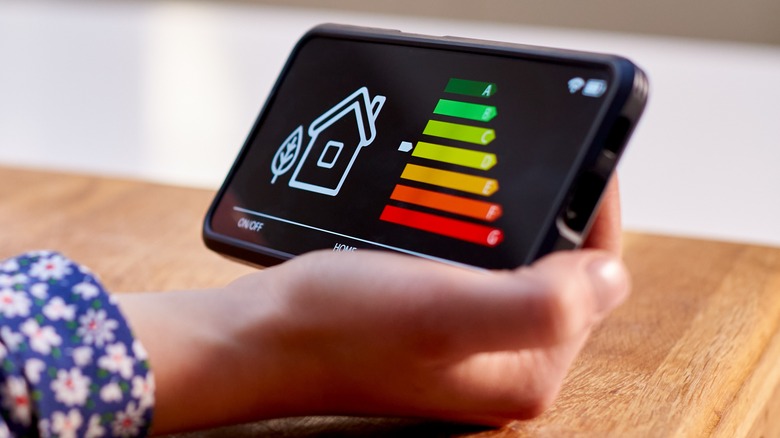
Modern smart meters provide detailed insights into electricity consumption throughout the day.
They help households:
- identify peak consumption habits
- monitor appliance-level usage trends
- track billing patterns more accurately
- make informed adjustments in real time
With better awareness, energy-saving decisions become easier and more effective.
Environmental Benefits of Reducing Peak-Time Usage 🌍
Lowering electricity demand during peak periods supports cleaner energy systems.
Benefits include:
- reduced reliance on backup fossil-fuel generators
- improved grid stability
- lower carbon emissions
- better integration of renewable energy sources
Even small scheduling adjustments at home contribute to broader environmental improvements.
Practical Tips to Manage Daily Electricity Usage Efficiently
Simple planning can significantly improve energy efficiency.
Helpful habits include:
- preparing meals earlier when possible
- pre-cooling rooms before peak evening hours
- switching off unused lights promptly
- setting timers for major appliances
- using energy-efficient equipment
Consistency in these habits leads to noticeable long-term savings.
Frequently Asked Questions (FAQs)
1. Do peak hours remain the same throughout the year?
No. Peak hours may change depending on seasonal demand, especially during summer or winter when heating or cooling needs increase.
2. Can electricity usage during off-peak hours reduce power outages?
Yes. Lowering demand during busy hours helps stabilize the grid and reduces the likelihood of overload-related interruptions.
3. Are off-peak electricity savings available in all areas?
Not always. Availability depends on whether your electricity provider offers time-based tariff plans.
4. Does using fewer appliances during peak hours extend appliance life?
Yes. Operating appliances during lower-demand periods can reduce voltage stress and improve long-term performance.
5. Can solar panels help avoid peak-hour electricity costs?
Yes. Homes with rooftop solar systems can rely on self-generated electricity during daytime peak periods.
6. Is night-time electricity always cheaper than daytime electricity?
Often yes, but it depends on the tariff structure set by your electricity provider.
7. How can households identify their personal peak usage patterns?
Reviewing monthly electricity bills or monitoring smart meter data helps identify when most energy is consumed during the day.