Renewable Energy Sources Transforming the World
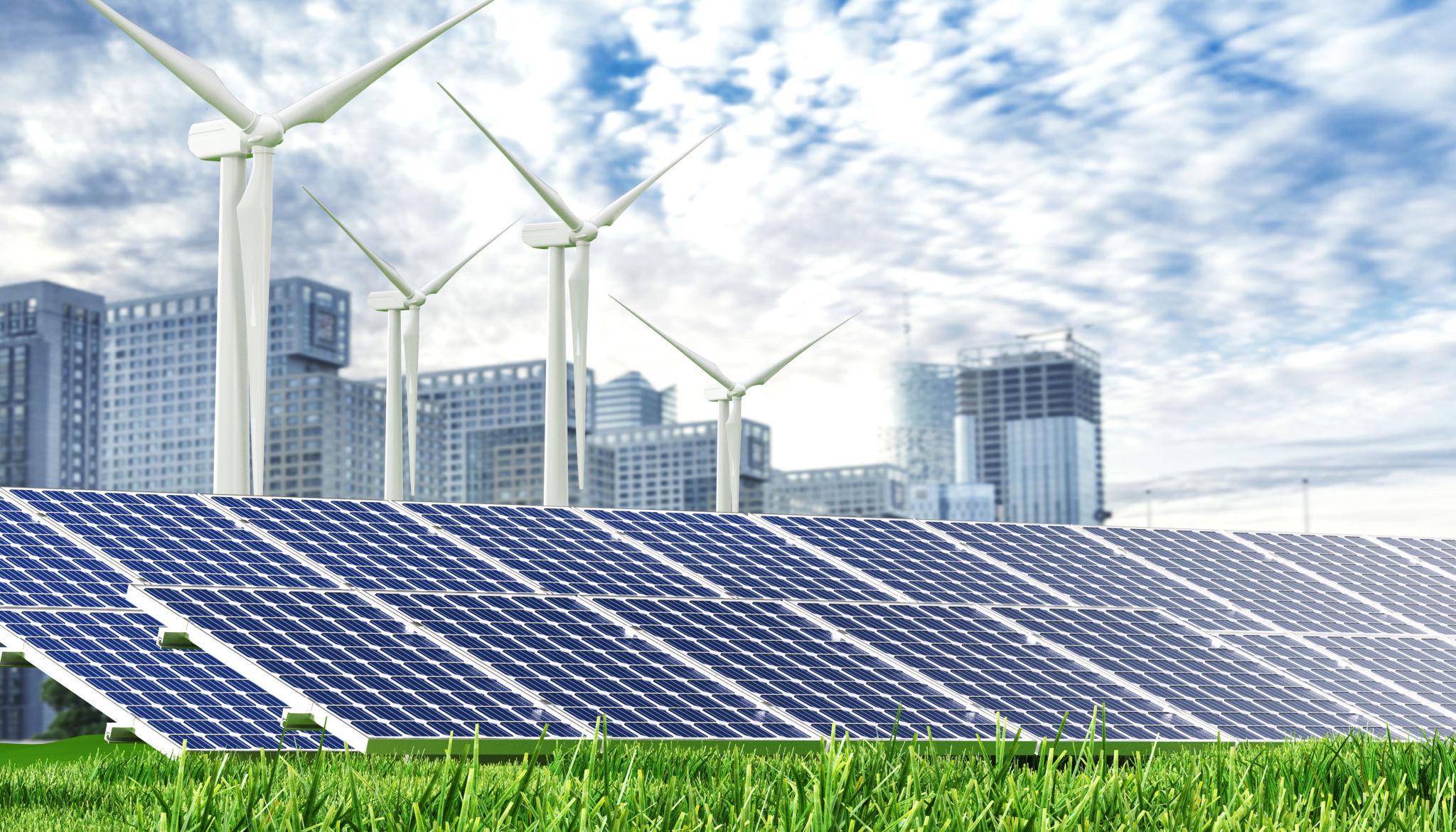
Renewable energy is rapidly reshaping how the world produces and consumes electricity. As countries work to reduce pollution, improve energy security, and meet growing power demands, clean energy technologies are becoming central to modern infrastructure. Today, renewable sources are not just alternatives—they are key drivers of global transformation.
Understanding how these energy sources are changing industries, homes, and economies helps explain why they are so important for the future.
What Are Renewable Energy Sources? 🌱
Renewable energy sources are natural resources that replenish continuously and can generate electricity without being depleted over time.
Common characteristics include:
- Low environmental impact
- Long-term availability
- Reduced greenhouse gas emissions
- Support for sustainable development
These qualities make renewable energy essential for meeting future global energy needs.
Solar Energy Leading the Global Transition ☀️
Solar power has become one of the fastest-growing electricity sources worldwide.
Key reasons for its rapid adoption include:
- Falling installation costs
- Easy rooftop integration for homes
- Scalable systems for businesses and utilities
- Minimal maintenance requirements
Solar installations are expanding in both urban and rural environments, making electricity more accessible than ever.
Wind Energy Expanding Across Regions 🌬️
Wind power is another major contributor to clean electricity generation.
Modern wind energy systems provide:
- Large-scale power production
- Efficient operation in coastal and open-land areas
- Reduced dependence on fossil fuels
- Long-term infrastructure reliability
Many countries now rely on wind farms to support national electricity supply.
Hydropower Supporting Reliable Electricity Supply 💧
Hydropower remains one of the oldest and most dependable renewable energy sources.
Its strengths include:
- Stable electricity production
- Long operational lifespan
- Low operating costs after installation
- Ability to support grid stability
Hydropower plants continue to play an important role in balancing renewable electricity systems.
Biomass Energy Converting Waste Into Power 🌾
Biomass energy uses organic materials such as agricultural residue and plant waste to generate electricity.
Advantages include:
- Reducing landfill waste
- Supporting rural economies
- Providing alternative fuel sources
- Improving resource efficiency
Biomass systems help turn unused materials into valuable energy resources.
Geothermal Energy Providing Continuous Power 🌋
Geothermal energy uses heat stored beneath the Earth’s surface to generate electricity.
Important benefits include:
- Reliable year-round generation
- Minimal weather dependency
- Small land-use footprint
- Stable long-term output
Regions with geothermal potential are increasingly investing in this resource.
Renewable Energy Improving Energy Access Worldwide 🔌
Clean energy technologies are helping expand electricity availability in remote and underserved areas.
Renewable solutions support:
- Rural electrification projects
- Off-grid communities
- Small-scale local energy systems
- Emergency power infrastructure
Access to electricity improves education, healthcare, and economic opportunities.
Renewable Energy Strengthening Energy Security 🛡️
Dependence on imported fuels can create economic uncertainty for many countries.
Renewable energy improves security by:
- Reducing reliance on fuel imports
- Supporting domestic energy production
- Stabilizing electricity supply systems
- Increasing resilience during global disruptions
Energy independence is becoming a priority worldwide.
Clean Energy Supporting Environmental Protection 🌿
Traditional electricity generation contributes significantly to air pollution and climate change.
Renewable energy helps reduce:
- Carbon dioxide emissions
- Airborne pollutants
- Water contamination risks
- Ecosystem disruption from mining activities
Cleaner electricity systems support healthier environments globally.
Renewable Technologies Driving Economic Growth 📈
The renewable energy sector is creating new opportunities across industries.
Growth areas include:
- Manufacturing of solar panels and turbines
- Installation and maintenance services
- Research and innovation development
- Energy infrastructure modernization
Investment in clean energy supports long-term economic stability.
The Role of Households in the Renewable Energy Transition 🏠
Homes are becoming active participants in the shift toward renewable electricity.
Households can contribute by:
- Installing rooftop solar systems
- Using energy-efficient appliances
- Supporting community renewable projects
- Reducing unnecessary electricity consumption
Individual participation strengthens the global transition to sustainable energy.
FAQs About Renewable Energy Sources Transforming the World
1. Why are renewable energy sources expanding so quickly worldwide?
Declining technology costs, environmental concerns, and increasing electricity demand are accelerating global adoption.
2. Can renewable energy support growing urban populations?
Yes. Large-scale renewable projects combined with smart grid systems can supply electricity efficiently to expanding cities.
3. Are renewable energy systems reliable for long-term electricity supply?
Yes. Combining multiple renewable sources with storage technologies improves reliability significantly.
4. Do renewable energy projects create employment opportunities?
Yes. The clean energy sector supports jobs in manufacturing, engineering, installation, and maintenance services.
5. Is renewable energy suitable for developing countries?
Yes. Renewable technologies provide flexible solutions for both urban infrastructure and rural electrification projects.
6. Can renewable energy reduce global fuel price volatility?
Yes. Increasing domestic renewable production helps countries reduce exposure to international fuel market fluctuations.
7. How does renewable energy support sustainable development goals?
Renewable energy improves access to electricity, reduces pollution, strengthens economies, and supports long-term environmental protection.