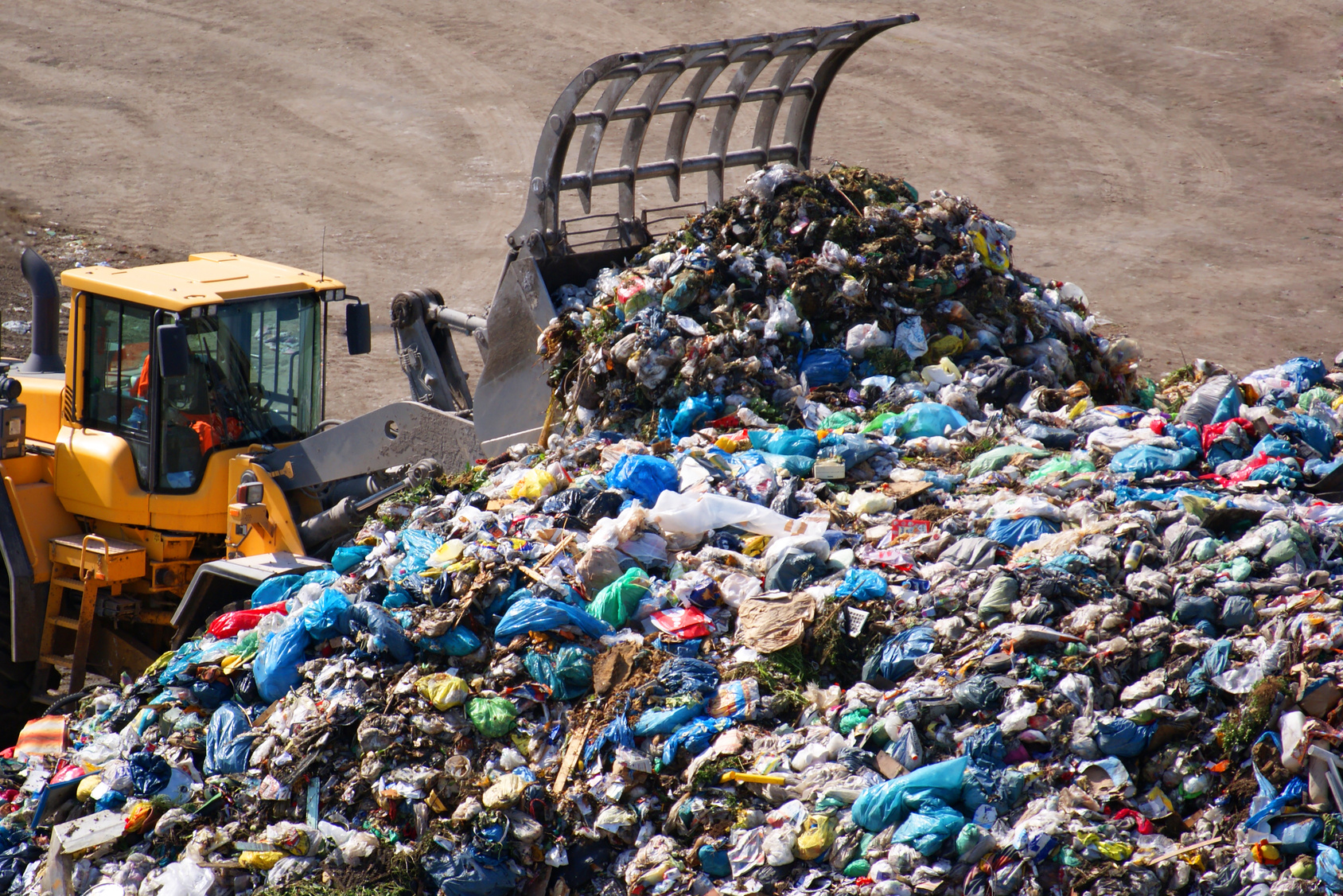
Everyday Habits That Help Save the Environment

Protecting the environment does not always require large-scale changes or expensive solutions. Many of the most effective actions begin with simple daily habits practiced at home, at work, and in local communities. When repeated consistently, these habits reduce pollution, conserve resources, and support a healthier planet.
Adopting environmentally responsible routines is one of the easiest ways individuals can contribute to long-term sustainability.
Switch Off Unnecessary Lights and Appliances 💡
Electricity generation often involves natural resource consumption. Reducing unnecessary usage helps lower environmental impact.
Easy steps include:
- Turning off lights when leaving a room
- Switching off fans in empty spaces
- Disconnecting unused chargers
- Avoiding standby mode on electronics
These habits reduce both energy waste and carbon emissions.
Reduce Water Usage in Daily Activities 💧
Freshwater resources are limited in many regions, making conservation essential.
Practical water-saving habits include:
- Turning off taps while brushing teeth
- Repairing leaking faucets quickly
- Using buckets instead of long showers
- Running washing machines only with full loads
Saving water helps protect rivers, lakes, and groundwater reserves.
Carry Reusable Bags Instead of Plastic Bags 🛍️
Single-use plastic bags contribute heavily to environmental pollution.
Better alternatives include:
- Cloth shopping bags
- Reusable grocery totes
- Foldable carry bags kept in vehicles or backpacks
Using reusable bags reduces landfill waste and protects wildlife habitats.
Choose Energy-Efficient Lighting Options ⭐
Switching to efficient lighting reduces electricity consumption significantly.
Benefits of LED lighting include:
- Lower power usage
- Longer lifespan
- Reduced replacement frequency
- Less heat generation
Efficient lighting supports both environmental protection and household savings.
Separate Household Waste Properly 🗑️
Waste segregation improves recycling efficiency and reduces landfill pressure.
Basic separation categories include:
- Organic waste
- Recyclable materials
- Non-recyclable items
- Hazardous waste like batteries
Organized waste disposal helps improve environmental management systems.
Avoid Food Waste Whenever Possible 🍽️
Food production uses water, energy, and transportation resources. Wasting food increases environmental pressure.
Smart food habits include:
- Planning meals ahead of time
- Storing groceries properly
- Using leftovers creatively
- Purchasing only what is needed
Reducing food waste supports sustainable resource use.
Use Public Transport or Walk for Short Distances 🚶♂️
Transportation contributes significantly to air pollution.
Eco-friendly alternatives include:
- Walking for nearby errands
- Cycling when possible
- Using shared transport options
- Combining multiple tasks into one trip
These habits help reduce fuel consumption and emissions.
Plant Trees and Maintain Green Spaces 🌳
Plants improve air quality and support biodiversity.
Simple actions include:
- Growing indoor plants
- Maintaining small gardens
- Planting native species
- Supporting neighborhood tree-planting efforts
Even small green areas contribute positively to the environment.
Reduce Use of Disposable Items 🧴
Disposable products increase long-term waste accumulation.
Sustainable replacements include:
- Refillable water bottles
- Steel or glass containers
- Reusable kitchen cloths
- Durable storage solutions
Reusable products help reduce environmental strain.
Encourage Environmentally Responsible Habits in Others 👨👩👧👦
Positive environmental change spreads faster through community participation.
You can help by:
- Sharing sustainable ideas with family members
- Teaching children conservation habits
- Supporting local environmental initiatives
- Setting a good example through daily actions
Collective participation strengthens long-term environmental protection.
Why Everyday Actions Matter More Than Expected 📊
Environmental protection is built on consistent behavior rather than occasional effort. Small improvements made regularly across millions of households create meaningful global impact.
Benefits of daily eco-friendly habits include:
- Reduced pollution levels
- Lower resource consumption
- Cleaner living environments
- Improved community awareness
Consistency makes sustainability achievable for everyone.
FAQs About Everyday Environmental Habits
1. Can small lifestyle changes really help reduce environmental damage?
Yes. When practiced consistently across households, small changes significantly reduce energy use, waste generation, and pollution levels.
2. Are reusable household products more cost-effective in the long run?
Yes. Although they may cost more initially, reusable products reduce repeated purchasing expenses over time.
3. Does planting indoor greenery contribute to environmental improvement?
Indoor plants improve air freshness and encourage greater environmental awareness within households.
4. Is waste segregation useful even if recycling facilities are limited?
Yes. Proper segregation still reduces contamination and supports future recycling opportunities.
5. How can busy individuals maintain eco-friendly habits consistently?
Simple routines such as carrying reusable bags and switching off unused appliances make sustainability easier to maintain daily.
6. Are eco-friendly habits suitable for people living in small apartments?
Yes. Many environmental habits require minimal space and can be practiced easily in compact living environments.
7. What is the most effective environmental habit to start immediately?
Reducing unnecessary electricity use is one of the quickest and most impactful habits anyone can adopt right away.