10 Easy Energy Saving Habits Anyone Can Start Today
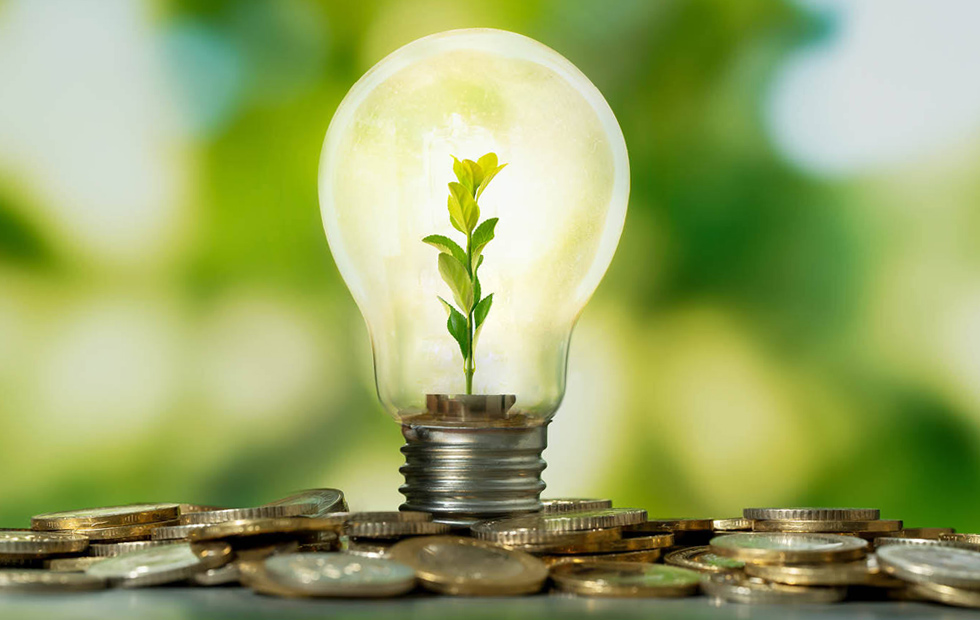
Reducing electricity consumption does not require expensive upgrades or technical expertise. Small, consistent daily habits can significantly lower energy use and help households save money every month. When practiced regularly, these simple actions improve efficiency without affecting comfort or lifestyle.
Here are 10 practical energy-saving habits anyone can begin immediately.
1. Switch Off Lights When Leaving a Room 💡
One of the easiest and most effective habits is turning off lights when they are not needed.
This simple step:
- Prevents unnecessary electricity usage
- Extends bulb lifespan
- Reduces monthly utility costs
Making this a daily routine creates long-term savings.
2. Use Natural Daylight Whenever Possible 🌞
Sunlight is a free and reliable lighting source during daytime hours.
Try these adjustments:
- Open curtains early in the morning
- Rearrange study or work areas near windows
- Avoid switching on lights during bright daylight
Natural lighting improves comfort while reducing electricity demand.
3. Unplug Chargers After Use 🔌
Chargers continue drawing electricity even when devices are not connected.
Common examples include:
- Phone chargers
- Laptop adapters
- Tablet charging cables
Removing unused chargers helps eliminate hidden power consumption.
4. Set Air Conditioner Temperatures Wisely ❄️
Cooling appliances consume a large share of household electricity.
To reduce usage:
- Keep temperatures between 24°C and 26°C
- Close doors and windows while operating
- Use ceiling fans alongside air conditioning
These steps maintain comfort without excessive energy use.
5. Run Washing Machines With Full Loads 🧺
Operating washing machines efficiently prevents wasted electricity.
Follow these smart practices:
- Avoid half-load cycles
- Use eco-mode when available
- Wash clothes during cooler hours of the day
Efficient washing habits reduce both energy and water consumption.
6. Switch to LED Bulbs Across the House ⭐
LED bulbs consume far less electricity than traditional lighting options.
Benefits include:
- Lower energy usage
- Longer lifespan
- Reduced replacement frequency
- Minimal heat generation
Replacing even a few bulbs can noticeably reduce electricity bills.
7. Turn Off Appliances Instead of Leaving Them on Standby 📺
Standby mode still consumes electricity.
Devices commonly affected include:
- Televisions
- Set-top boxes
- Gaming consoles
- Audio systems
Switching appliances off completely prevents unnecessary energy waste.
8. Limit Geyser Usage to Essential Hours 🚿
Water heaters consume significant electricity when left running continuously.
Better usage habits include:
- Switching on only before use
- Turning off immediately afterward
- Using timers if available
Shorter operating periods lead to meaningful savings.
9. Keep Refrigerator Doors Closed Properly 🧊
Frequent opening allows cool air to escape, forcing the refrigerator to work harder.
Improve efficiency by:
- Avoiding long door openings
- Checking door seals regularly
- Allowing hot food to cool before storing
Small changes help maintain steady cooling performance.
10. Make Energy Saving a Shared Family Habit 👨👩👧👦
Electricity conservation works best when everyone participates.
Encourage household members to:
- Turn off unused lights
- Avoid unnecessary charging
- Use fans responsibly
- Follow efficient appliance usage routines
Collective action produces faster and more noticeable results.
Why Small Energy Habits Make a Big Difference 📊
Many households underestimate the impact of daily behavior on electricity consumption. However, combining several small improvements can reduce overall usage significantly over time.
Benefits include:
- Lower monthly electricity bills
- Longer appliance lifespan
- Reduced environmental impact
- Improved home efficiency
Consistency is more powerful than occasional effort.
FAQs About Everyday Energy Saving Habits
1. How much electricity can simple habits realistically save each month?
Depending on household size and appliance usage, small daily changes can reduce electricity consumption by 10% to 30% over time.
2. Are energy-saving habits effective in both apartments and independent houses?
Yes. These habits apply equally to all types of homes regardless of size or structure.
3. Do ceiling fans consume less electricity than air conditioners?
Yes. Ceiling fans use significantly less electricity and are ideal for moderate cooling needs.
4. Is it useful to switch off the main power supply before sleeping?
Turning off unnecessary circuits at night can help reduce standby consumption and improve safety.
5. Does keeping devices fully charged overnight waste electricity?
Once devices reach full charge, continued charging may still draw small amounts of electricity, so unplugging helps avoid waste.
6. Are energy-saving habits helpful during winter as well?
Yes. Efficient heater usage, limiting hot water consumption, and managing lighting habits remain effective year-round.
7. How long does it take to notice savings after changing energy habits?
Most households begin seeing measurable reductions within one or two billing cycles after adopting consistent energy-saving routines.