Workplace Electrical Risks And Prevention
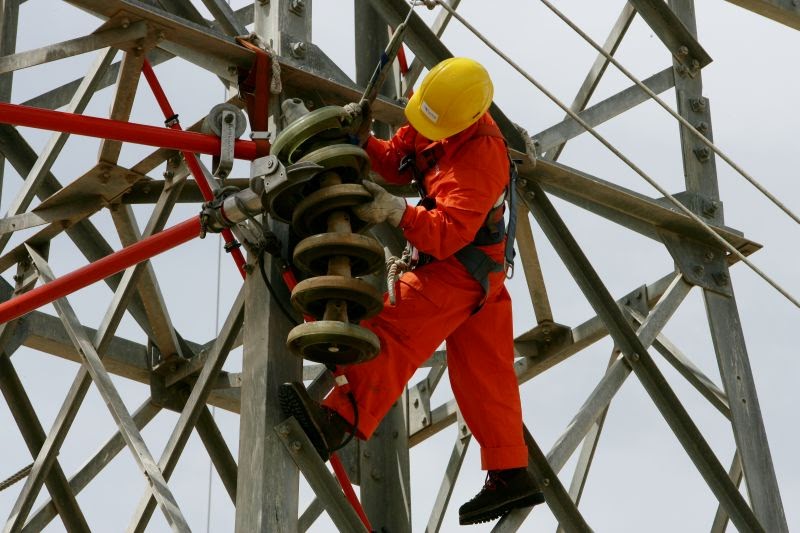
Electricity plays a vital role in powering industrial, commercial, and office environments. However, it also presents serious hazards when safety measures are overlooked. Individuals working near energized equipment are at constant risk of electrical injuries, including shocks, burns, arc flash incidents, and even fatalities. Understanding how to manage these risks is critical not only for employee well-being but also for business continuity.
Common Electrical Hazards in the Workplace
Many electrical-related injuries stem from contact with faulty equipment, exposed wiring, or unintended energization of circuits. One of the most dangerous occurrences in this category is an arc flash, which can release intense heat and energy, causing severe burns or trauma in a fraction of a second. Arc flashes are often the result of damaged tools, lack of maintenance, or inappropriate work procedures near live equipment.
In addition to burns and shocks, electrical mishaps can cause secondary accidents such as falls, equipment malfunctions, or fires. These events not only threaten lives but also can halt operations, damage infrastructure, and result in costly lawsuits or regulatory penalties.
Managing Electrical Risks at the Organizational Level
The responsibility for electrical safety in the workplace primarily falls on business owners and facility managers. They must ensure that every safety measure is in place before electrical work begins. This includes:
-
Complying with OSHA (Occupational Safety and Health Administration) regulations.
-
Implementing detailed safety protocols for high-risk tasks.
-
Ensuring that all electrical equipment used onsite is safe, functional, and well-maintained.
-
Providing the necessary training and protective gear to employees.
Any work involving live circuits must be evaluated with a formal risk assessment and a clearly defined lockout/tagout procedure. Workers must be protected not just during electrical tasks, but also during adjacent work where indirect exposure may occur.
Just how can Electrical Risks be Avoided?
It is crucial that workers working near energized and electrical gears and tools be aware of the details and how-tos of operating the gears and machinery. They need to be educated to operate them correctly, as they pose a big safety risk. By undertaking courses such as electrical safety training, they can be better prepared for the risks.
Those who design electrical distribution systems on a larger scale ought to be qualified enough to create equipment that’s safe to be used in compliance with OSHA guidelines.
The makers need to ensure that it’s dependable through testing and analyzing the before delivering it for purchase.
Safety Measures for All Stakeholders
Ensuring electrical safety is not a one-person job—it’s a collective effort involving manufacturers, suppliers, employers, and employees:
-
Manufacturers must rigorously test equipment before it reaches end-users and provide clear safety manuals and certifications.
-
Suppliers must ensure the equipment meets current electrical safety codes and comes with full documentation.
-
Employers must install and maintain equipment according to regulatory standards and hire qualified professionals for all installations.
-
Employees must follow all safety protocols, wear the appropriate personal protective equipment (PPE), and report any hazards immediately.
Hiring only licensed electricians for electrical installation is a critical layer of defense. Experienced electricians understand how to safely work on or near live circuits, perform risk evaluations, and install protective systems to prevent unintentional energization.
Rising Demand Means Rising Responsibility
As industries grow more reliant on complex electrical systems, especially with the expansion of automation and high-energy machinery, the risk of workplace electrical hazards increases. Every minor oversight—such as a damaged cable or neglected inspection—can escalate into a major incident. In worst-case scenarios, this could mean loss of life, legal action, or the shutdown of an entire operation.
Ignoring electrical risks doesn’t just affect compliance; it undermines employee morale, corporate reputation, and operational sustainability.
Design Matters: A Safer Electrical Infrastructure
Safe workplaces begin with smart design. Collaborating with professional electrical engineers can ensure your systems are efficient, scalable, and most importantly—safe. One example is Mark Cavallaro, Principal and Founder of Current Solutions PC, who has helped countless commercial and industrial facilities enhance their power system safety through strategic engineering.
Proper system design includes arc flash studies, load balancing, fault current analysis, and protective device coordination—all of which are essential in high-risk environments.
To assess the electrical safety of your workplace and learn more about hazard mitigation, you can visit CurrentSolutionsPC.com and explore tailored solutions that support a risk-free electrical environment.
Final Thoughts
Electrical risks in the workplace cannot be entirely eliminated, but they can be drastically reduced with the right planning, professional input, and employee cooperation. From regulatory compliance and worker training to safe system design and qualified installation—every action plays a role in protecting lives and livelihoods.
Making electrical safety a priority isn’t just about following the rules. It’s about creating a culture of awareness, responsibility, and prevention that empowers everyone to return home safe at the end of each day.