Log Cabins for All Seasons: Preparing Your Outdoor Space for Summer and Winter
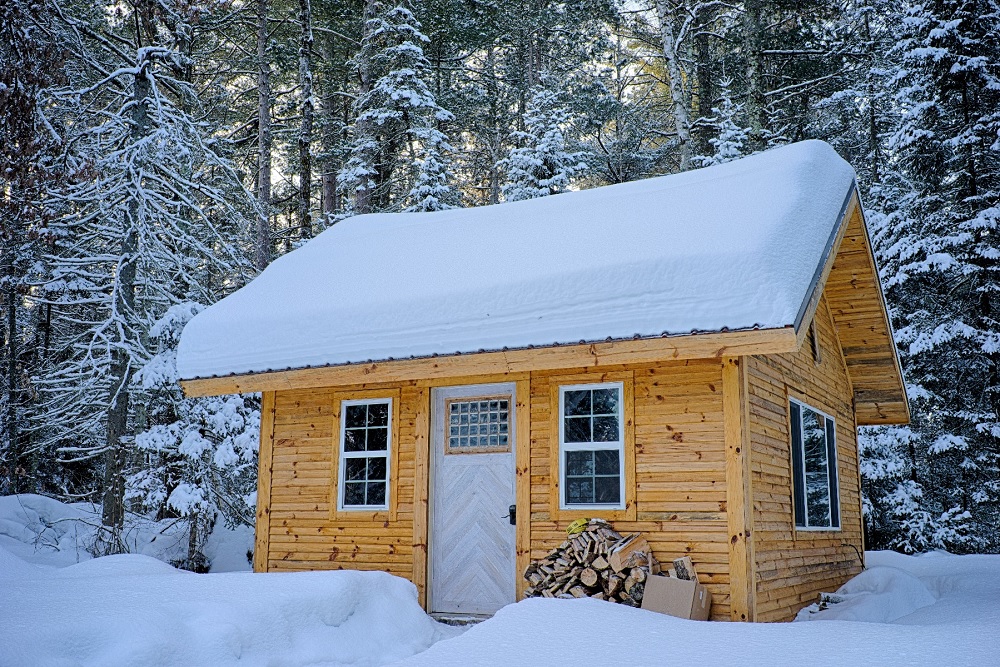
A log cabin is a versatile addition to any garden, offering a space to relax, work, or entertain all year round. However, the changing weather in the UK means you need to prepare your log cabin to ensure it remains comfortable and functional, no matter the season. Whether you’re looking forward to summer barbeques or preparing for chilly winter days, proper preparation will help you make the most of your outdoor space.
Here’s how to get your log cabin ready for both summer and winter, ensuring it’s a haven in every season.
1. Insulation for Year-Round Comfort
To make your log cabin a comfortable space in both summer and winter, proper insulation is key. Insulating your log cabin not only improves energy efficiency but also helps maintain a consistent temperature, keeping it cool in the summer and warm in the winter.
- Floor and roof insulation: Heat loss often occurs through the roof and floor, so insulating these areas is essential. Look for high-quality insulation materials like foil-backed foam boards for the roof and underfloor insulation boards to prevent cold air from rising through the floors in winter.
- Wall insulation: Some log cabins come with pre-insulated walls, but if not, you can add insulation to the inside of the walls to enhance thermal efficiency. This will make the cabin feel more like a permanent extension of your home, usable all year long.
- Double glazing: If you’re planning to use your log cabin throughout the winter, consider installing double-glazed windows and doors. They not only keep the heat in but also reduce noise and condensation, making your cabin more comfortable.
2. Heating Options for Winter
In the colder months, your log cabin will need additional heating to remain a warm and inviting space. Several heating options are suitable for log cabins, and your choice will depend on how often and in what way you use the space.
- Electric heaters: These are a quick and convenient option, especially if your log cabin has an electrical supply. Portable electric heaters or wall-mounted panel heaters can warm up the space quickly. If you plan to spend long hours working or relaxing in your cabin, consider energy-efficient models with thermostatic controls.
- Wood-burning stoves: For a cosy, rustic feel, a wood-burning stove is an excellent choice. Not only do they provide a lot of warmth, but they also add character to your log cabin. However, you will need to ensure proper ventilation and safety measures, such as installing a flue and keeping the stove at a safe distance from the walls.
- Underfloor heating: If you’re looking for a more luxurious option, underfloor heating is worth considering. It provides even heat throughout the cabin and is ideal for those who plan to spend a lot of time in the cabin during the colder months.
3. Ventilation for Summer Comfort
While insulation and heating are crucial for winter, good ventilation is essential for summer, especially if you use your log cabin as a workspace or retreat. During the hot summer months, poor ventilation can cause the cabin to become stuffy and uncomfortable.
- Windows and doors: Ensure your log cabin has enough windows and doors that can be opened to let in fresh air. Skylights can also be a great addition, allowing hot air to escape from the top of the cabin, keeping the interior cooler.
- Ventilation grills: Installing ventilation grills or air vents in the walls will allow for continuous airflow, preventing the build-up of heat and moisture inside the cabin. These passive ventilation systems are ideal for year-round use, maintaining air circulation without needing to open windows or doors.
- Shading: Installing blinds, curtains, or external shading can help control how much sunlight enters your cabin, reducing glare and keeping it cooler in the summer. For cabins with large windows, adding reflective window films can also help reduce heat absorption.
4. Seasonal Maintenance
To ensure your log cabin stays in top condition, seasonal maintenance is crucial. Taking care of your cabin will not only extend its lifespan but also ensure it remains weatherproof and comfortable throughout the year.
- Sealing and staining: Log cabins are made from timber, which can be susceptible to moisture and UV damage over time. Applying a high-quality wood stain or sealant will protect the wood from rain, snow, and sun, preventing it from cracking, warping, or rotting. Make sure to check and reapply the stain every couple of years, especially before winter.
- Roof maintenance: Before winter, inspect the roof for any leaks or damage. Repairing small issues early can prevent larger, more expensive problems later on. In summer, keep an eye on overhanging branches or debris that may damage the roof during storms.
- Guttering and drainage: Ensure that the gutters and drainage around your log cabin are functioning properly, especially before the wetter months. Clear any blockages and check that water is being diverted away from the cabin’s base to prevent moisture from seeping into the foundation.
5. Outdoor Space and Landscaping
The area surrounding your log cabin also plays an important role in making it usable and enjoyable throughout the year. In summer, you might want to create a welcoming outdoor space, while in winter, keeping access safe and easy is essential. While keeping a blooming garden is beneficial, just make sure you don’t attract unwanted pests. Trying to repair carpenter bee damage is likely not worth the cost of some nice flowers.
- Summer garden features: Create an inviting summer space with outdoor seating, a patio, or decking. Adding flower beds, potted plants, and even a pergola can enhance the aesthetic and functionality of your outdoor space, making it perfect for alfresco dining or relaxing during the warmer months.
- Winter pathways: During the colder months, ensure you have clear and safe access to your log cabin. Installing gravel or paving stones leading to the cabin will prevent mud and slipping hazards, especially in icy or wet conditions. Consider adding outdoor lighting for those dark winter evenings to improve visibility and safety.
6. Multipurpose Use
One of the great benefits of a log cabin is its versatility. With the right preparation, your cabin can serve different purposes depending on the season.
- Summer retreat: In the warmer months, your log cabin can become a garden retreat, a place for summer parties, or a space to relax in the shade. You can decorate it with light, airy furnishings, and outdoor rugs, making it the perfect escape from the heat.
- Winter office or gym: During winter, with adequate heating and insulation, your log cabin can easily transform into a cosy home office, a reading nook, or even a personal gym. By preparing it for year-round use, you maximise the functionality of the space, no matter the season.
With proper preparation, a log cabin can be a practical and enjoyable addition to your garden throughout the year. Whether you’re keeping it cool and comfortable during the summer or making it warm and cosy in the winter, small adjustments can go a long way in enhancing its usability. By focusing on insulation, ventilation, seasonal maintenance, and multipurpose use, you’ll create an outdoor space that truly works for all seasons.