How to Save Money Living a Greener Lifestyle
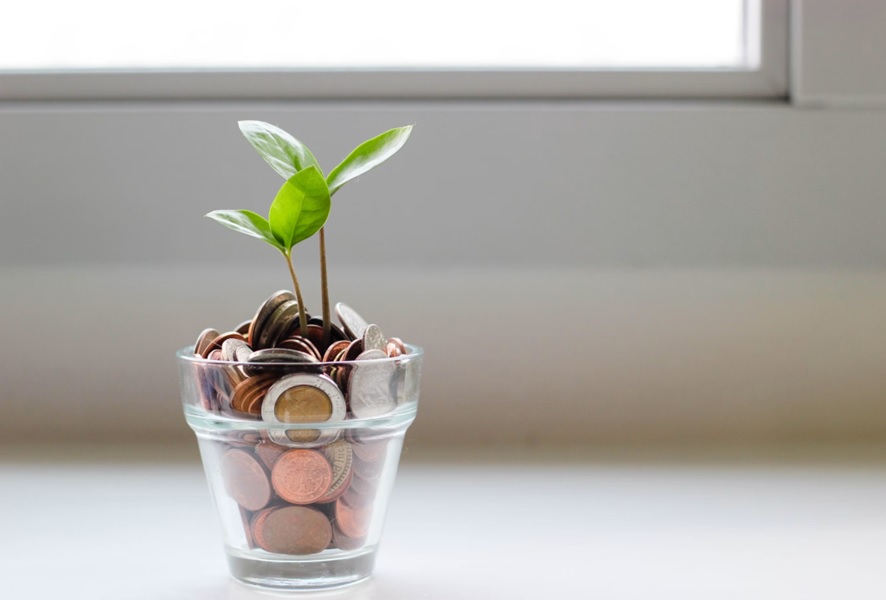
There is a widespread misconception that adopting an eco-friendly lifestyle is an expensive endeavor. While high-end organic boutiques and luxury electric vehicles carry premium price tags, living sustainably at its core is actually about consuming less, reducing waste, and optimizing energy use. When approached strategically, going green is one of the most effective ways to trim monthly household expenses and build long-term financial resilience.
The most immediate financial benefits of a green lifestyle show up on your monthly utility bills. Simple behavioral adjustments—such as washing clothes in cold water, turning down the thermostat by a degree or two, and unplugging “vampire” electronics—can yield noticeable savings over time. Upgrading to LED lighting and using smart power strips require minimal upfront investment while consistently lowering daily electricity consumption. Additionally, sealing drafts around windows and doors prevents heat loss, ensuring that every pound or dollar spent on heating actually stays inside your living space.
Beyond energy conservation, rethinking everyday consumption habits offers massive financial rewards. Reducing food waste is a prime example: planning meals in advance, storing produce properly, and incorporating more plant-based meals into your weekly routine can significantly lower grocery bills. Embracing a circular mindset also encourages buying high-quality, pre-owned items—ranging from furniture to clothing—rather than purchasing cheap, fast-fashion alternatives that frequently need replacing. Choosing durable, reusable items over disposable paper products, plastic bottles, and single-use bags keeps cash in your pocket while keeping unnecessary waste out of landfills.
For homeowners looking to make larger structural improvements, the financial return of sustainable living becomes even more dramatic. Installing modern climate control, solar arrays, or battery storage systems drastically reduces reliance on traditional energy grids and protects your household from volatile fuel prices. Beyond immediate utility reductions, these investments enhance a property’s overall energy efficiency rating. Financial institutions are taking notice of this shift; pursuing strategic renewable energy installations can grant homeowners access to preferential green mortgage rates, providing discounted interest rates and financial incentives as property finance evolves to meet stricter environmental targets.
Finally, reconsidering how you commute can yield substantial financial relief. Walking, cycling, or utilizing public transport for routine trips eliminates expensive fuel costs, parking fees, and vehicle wear-and-tear. For those who rely on personal transportation, transitioning to an electric vehicle offers significantly lower per-mile fuel costs and minimal routine maintenance expenses. Ultimately, living a greener lifestyle is not about expensive luxuries; it is about making conscious, resource-efficient choices that simultaneously protect the planet and strengthen your bank account.