Quartz Countertops: A Blend Of Style, Durability, And Innovation
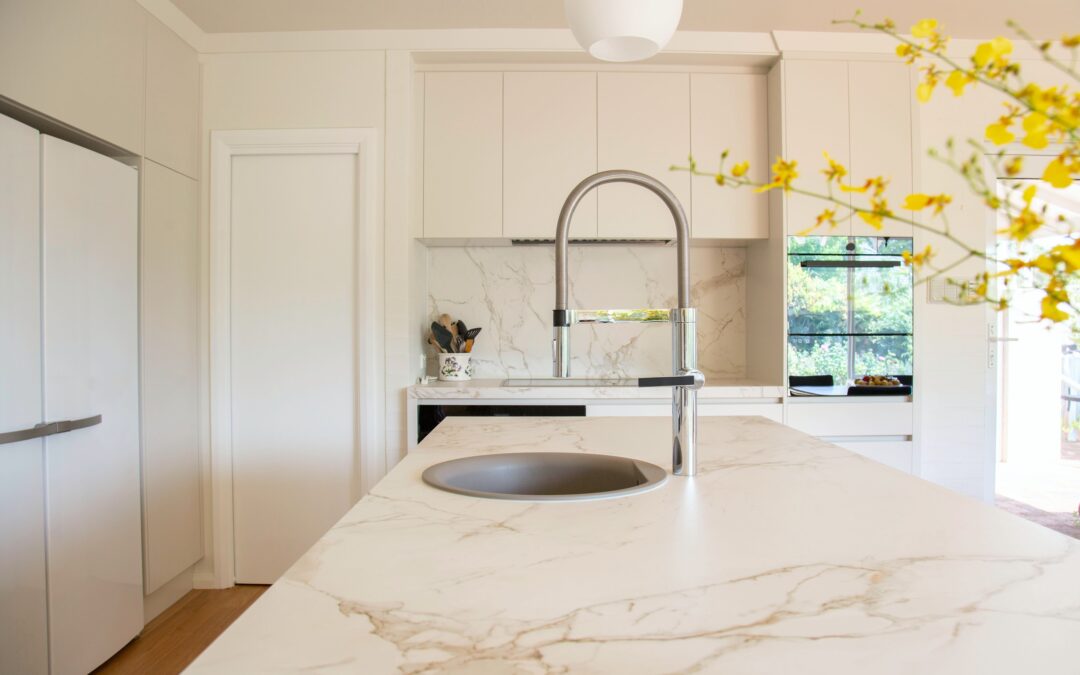
In recent years, quartz countertops have revolutionized home design, offering homeowners a combination of beauty, strength, and functionality that few other materials can match. While natural stones like marble and granite still have their place in the world of countertops, quartz has steadily risen to become a favorite for its versatility and low-maintenance features. Now, with a growing array of colors and finishes, including the new Caesarstone quartz countertops colors, homeowners can find the perfect match for any kitchen style or vision.
Why Choose Quartz?
Quartz countertops stand out for several key reasons, blending the natural toughness of quartz with modern engineering. Unlike natural stone, quartz countertops are made by combining ground quartz crystals with resins and pigments. This process creates an exceptionally hard, durable surface that is non-porous, highly resistant to stains, and available in a wide range of colors and patterns.
The engineered nature of quartz allows manufacturers to design countertops that mimic natural stone, offering homeowners the aesthetic appeal of marble or granite without some of the downsides, such as the need for regular sealing or vulnerability to staining.
Durability and Low Maintenance
One of the top reasons people are drawn to quartz countertops is their durability. Kitchens are high-traffic areas, and countertops endure a lot of daily wear, whether it’s chopping vegetables, placing hot pans on the surface, or spills from food and drinks. Quartz countertops are incredibly tough and can handle the demands of everyday kitchen use without scratching, cracking, or staining easily.
Because quartz is non-porous, it doesn’t absorb liquids, which makes it highly resistant to stains. This is a significant advantage over natural stones like marble, which can be damaged by acidic substances like wine or lemon juice. The non-porous nature of quartz also means it doesn’t harbor bacteria or mold, making it a hygienic choice for kitchens where food preparation happens regularly.
Maintenance is a breeze with quartz countertops. Unlike natural stone, which requires sealing and special cleaners, quartz can be cleaned with just mild soap and water. This makes it an attractive option for homeowners looking for a hassle-free kitchen surface that doesn’t require frequent upkeep.
Design Versatility
While durability and low maintenance are critical factors, aesthetics remain a top priority for many homeowners when choosing a countertop material. Quartz offers endless possibilities in terms of color, pattern, and finish. From sleek, modern designs to natural stone looks that mimic granite or marble, quartz can suit virtually any kitchen style.
New innovations in manufacturing have made it possible to create quartz countertops in colors and patterns that were once difficult to achieve with natural stone. This gives homeowners the flexibility to design their kitchens without being limited by the natural variations found in materials like granite. Whether you’re aiming for a minimalist white kitchen, a dark and dramatic space, or something in between, quartz has the variety to meet your needs.
Thanks to brands offering new Caesarstone quartz countertops colors, homeowners can explore a fresh palette that includes everything from soft, neutral shades to bold, rich hues. These new color options provide more opportunities for creativity and personalization, allowing you to create a kitchen that is truly your own.
Quartz vs. Natural Stone
It’s hard to talk about quartz without comparing it to natural stone, particularly granite and marble, which have been traditional choices for countertops for many years. While each material has its pros and cons, quartz offers several advantages that are hard to ignore.
- Consistency: One of the most significant differences between quartz and natural stone is consistency. With granite or marble, no two slabs are the same, meaning you could end up with variations in color or pattern that don’t quite match. Quartz, on the other hand, offers uniformity in design. The color and pattern you choose will be consistent throughout the entire slab, which is ideal for homeowners who want a cohesive look in their kitchen.
- Durability: While granite is known for its strength, quartz edges it out in terms of durability. Natural stone can chip or crack, particularly around the edges or corners, whereas quartz is less prone to damage from impacts. Marble, while beautiful, is much softer than both quartz and granite, making it more susceptible to scratches and etching from acidic foods or cleaning products.
- Stain Resistance: Because quartz is non-porous, it has a distinct advantage over natural stone in terms of stain resistance. Marble, in particular, is prone to staining from common kitchen substances like coffee, wine, and oil. Granite is less vulnerable but still requires sealing to protect it from liquids. With quartz, there’s no need to worry about sealing or treating the surface, as its non-porous nature makes it resistant to spills and stains.
The Sustainability Factor
Another factor driving the popularity of quartz countertops is the material’s eco-friendliness. Many quartz manufacturers, including those offering new Caesarstone quartz countertops colors, have made efforts to incorporate recycled materials into their products and use sustainable manufacturing practices. Additionally, because quartz countertops are engineered, there’s less waste compared to natural stone, where entire slabs are often cut from quarries, leaving behind significant scrap material.
For homeowners looking to make environmentally responsible choices, quartz offers a more sustainable option compared to many natural stones. Plus, the longevity of quartz countertops—thanks to their durability and low maintenance—means they won’t need to be replaced as frequently, further reducing their environmental impact.
Cost Considerations
When it comes to cost, quartz countertops fall in the mid-to-high range, depending on the brand and quality. While they may be more expensive than materials like laminate or tile, they are generally less costly than high-end natural stones like marble. However, the long-term value quartz offers through its durability, low maintenance, and aesthetic appeal often justifies the initial investment for many homeowners.
Plus, with the wide variety of options available, from budget-friendly styles to more luxurious designs, there’s a quartz countertop for nearly every price point.
Conclusion
Quartz countertops offer a combination of beauty, strength, and practicality that makes them a top choice for today’s homeowners. Their durability, easy maintenance, and versatility in design have set them apart from traditional materials like granite and marble, while innovations like new Caesarstone quartz countertops colors continue to expand the possibilities for kitchen design.
Whether you’re renovating your kitchen or building a new home, quartz countertops provide a modern, reliable, and stylish solution that will stand the test of time. With more color and pattern options than ever before, it’s clear that quartz is more than just a trend—it’s a material that’s here to stay.