How to Avoid Chemicals and Still Get Great Yields
Many of us are striving to grow our own produce while keeping our surroundings chemical-free, valuing the idea of a healthy, natural lifestyle. With the increasing availability of organic alternatives and nature-friendly practices, avoiding harmful chemicals in our fruit tree care is not only possible but also highly rewarding. This article explores practical methods of cultivating fruit trees that deliver great yields without the use of synthetic chemicals, ensuring a safe, sustainable harvest for the whole family.
According to a nursery specialist at ChrisBowers, “Maintaining an organic garden requires both patience and knowledge of natural practices, but the effort you put in pays off with more nutritious and healthier produce, as well as a more environmentally friendly garden.” With this in mind, let’s explore how we can avoid chemicals and still produce abundant, high-quality fruit.
The Rising Demand for Chemical-Free Cultivation
The push for chemical-free gardening is driven by concerns about the potential risks associated with pesticides, synthetic fertilizers, and other chemicals. These substances can have long-term effects on health, the environment, and even the quality of produce. Chemicals used in conventional gardening often lead to soil degradation, harm beneficial insects, and can contaminate water sources.
The awareness of such effects has led gardeners to explore ways to avoid chemicals entirely while ensuring that fruit trees and other plants thrive. While some people might think that avoiding chemicals means settling for smaller yields or less vibrant fruit, with the right techniques, chemical-free cultivation can yield healthy and bountiful results. The key is using natural practices that promote a balanced ecosystem in your garden.
Choosing the Right Fruit Trees
The foundation for successful, chemical-free gardening begins with choosing the right type of fruit tree for your garden. The selection process should consider climate compatibility, disease resistance, and soil type. Opting for fruit trees for sale that are naturally well-suited to your local conditions makes them less vulnerable to pests and diseases, reducing the need for chemical interventions.
When browsing fruit trees for sale, look for varieties that are hardy and well-adapted to your area. Resistant varieties are more likely to thrive in an organic environment, as they have a natural defense against common pests and diseases. By starting with trees that have these advantages, you’re setting up your garden for success without needing to rely on pesticides or synthetic treatments.
Soil Health: The Key to Chemical-Free Gardening
Healthy soil is the cornerstone of any thriving garden. Without rich, fertile soil, plants struggle to grow, and gardeners are often forced to turn to chemical fertilizers to make up for deficiencies. To avoid this, cultivating rich soil using natural methods is essential.
The first step in maintaining soil health is regular composting. Organic compost is a fantastic way to boost the nutrient content of your soil without chemicals. Compost enriches the soil, encouraging microbial activity and improving its structure. Adding organic matter to your soil, such as leaf mulch, grass clippings, and decomposed vegetable scraps, helps maintain moisture, reduces erosion, and enhances the soil’s overall health.
Another important practice is crop rotation. Although not typically associated with fruit trees, rotating companion plants around your garden can prevent the build-up of pests and nutrient deficiencies. For example, planting nitrogen-fixing plants such as legumes around your fruit trees can enhance nitrogen levels in the soil, benefiting tree growth.
Natural Pest Control Methods
One of the biggest challenges of chemical-free gardening is managing pests. However, using chemicals is not the only way to keep pests at bay; there are plenty of effective organic alternatives.
Introducing beneficial insects into your garden is a natural way to combat harmful pests. Ladybirds, lacewings, and certain species of wasps prey on aphids and other pests that can damage fruit trees. By creating an inviting environment for these beneficial insects—through planting flowers such as marigolds, daisies, and sunflowers—you can maintain a natural balance.
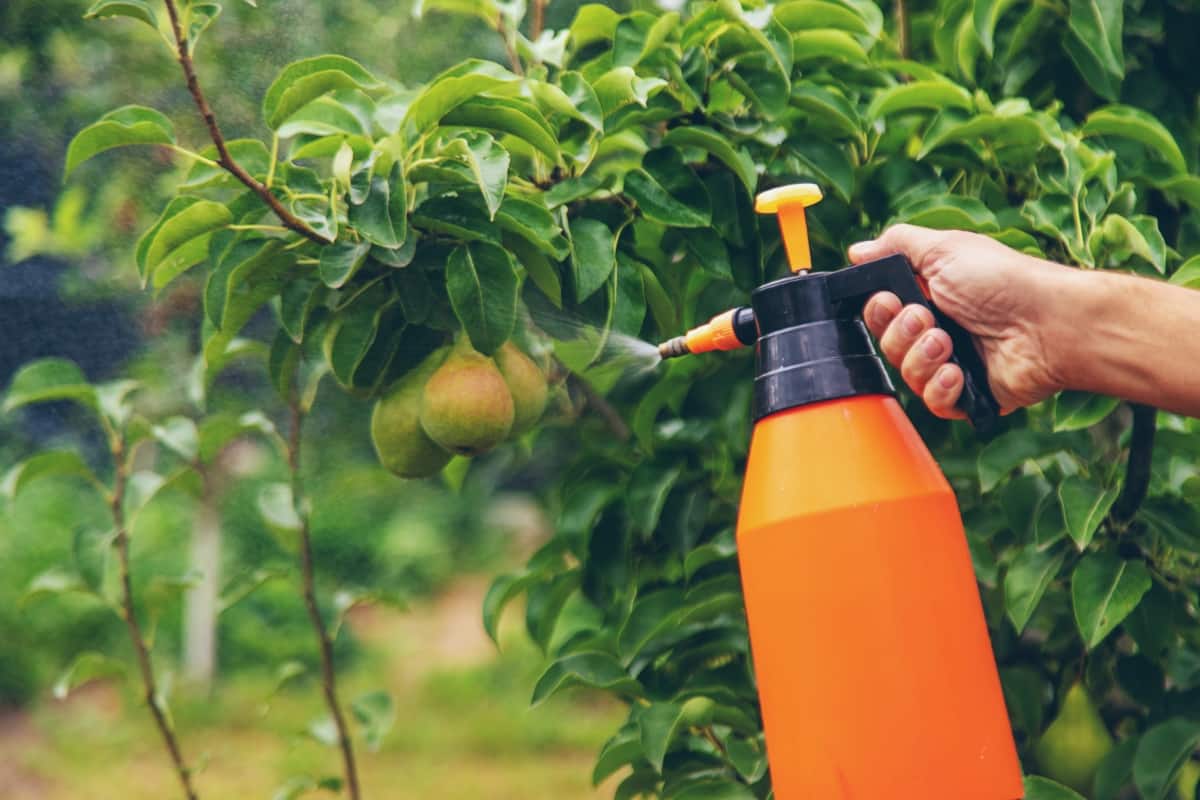
Another effective pest control method is to use homemade sprays derived from natural ingredients. For example, garlic and chili sprays can deter insects from eating leaves and fruit. These sprays are simple to make and apply and are safe for both your garden and the surrounding environment.
For larger pests, like birds, netting is an effective way to protect ripening fruit. It’s a non-chemical solution that allows you to safeguard your harvest without harming wildlife. Reflective tapes and scare devices can also deter birds without causing harm or disruption to the garden ecosystem.
Organic Fertilizers for Healthy Growth
To ensure that your fruit trees receive the nutrients they need to produce abundant yields, organic fertilizers are an ideal substitute for chemical ones. These natural fertilizers work with the soil, rather than against it, promoting long-term fertility.
Manure is one of the oldest and most effective organic fertilizers available. It provides fruit trees with essential nutrients like nitrogen, phosphorus, and potassium. However, it is crucial to compost manure before applying it to avoid burning the roots of the trees.
Bone meal is another excellent natural fertilizer, rich in phosphorus, which is essential for healthy root and flower development. Using a combination of bone meal, compost, and other organic materials provides a balanced range of nutrients and promotes sustained growth throughout the growing season.
Seaweed extract is a powerful organic supplement that can help boost plant resilience. It contains essential trace elements that aid in disease resistance and improve overall plant health. This is especially helpful when growing fruit trees organically, as it supports the trees during critical growth periods without the use of synthetic chemicals.
Pruning and Tree Care
Pruning is a fundamental part of growing fruit trees, but it is particularly important for those avoiding chemicals. Proper pruning helps prevent the spread of disease and encourages healthy growth by improving air circulation. Disease often takes hold in weak or overcrowded branches, and keeping the tree’s shape open can reduce the likelihood of fungal infections.
When pruning, focus on removing any dead or diseased wood, as well as thinning out crowded areas to maintain a balanced shape. This allows sunlight to penetrate through the canopy and helps maintain an airy environment, which naturally reduces the risk of disease and promotes better yields.
Another essential method for caring for organic trees is mulching. A healthy layer of organic mulch aids in controlling soil temperature, weed suppression, and moisture retention. Additionally, mulching progressively decomposes to supply nutrients to the tree’s roots. But, it’s crucial to avoid packing mulch up against the trunk since this can cause decay and serve as an insect breeding ground.
Disease Management Without Chemicals
Avoiding chemicals doesn’t mean leaving your trees defenseless against disease. With careful management and a proactive approach, you can successfully prevent many common fruit tree diseases.
Choosing resistant varieties, as mentioned earlier, is a good starting point. In addition, maintaining a clean garden is crucial. Remove fallen leaves and fruit regularly to prevent the spread of fungi and bacteria that thrive in decomposing organic matter.
Organic sprays, such as a mixture of baking soda, water, and a bit of soap, can be effective in preventing powdery mildew and other fungal infections. Copper-based fungicides, though technically natural, should be used sparingly and with caution, as excessive use can lead to copper build-up in the soil.
Introducing biodiversity into your garden by planting a variety of plants and flowers can also help manage disease naturally. A diverse garden attracts a range of insects and other organisms that create a balanced ecosystem, reducing the likelihood of any one pest or disease becoming dominant.
Encouraging Pollination Naturally
Pollination is key to achieving good fruit yields, and encouraging pollinators like bees and butterflies into your garden is crucial for fruit tree success. To do this without chemicals, create a pollinator-friendly environment by planting a diverse range of flowering plants. Bees are particularly attracted to flowers with open petals, such as lavender, borage, and comfrey.
Having a water source, such as a shallow dish or birdbath, will also attract bees and other pollinators. Avoid using any sprays—even organic ones—during flowering periods to protect these essential pollinators.
Another effective way to encourage natural pollination is by placing companion plants around your fruit trees. Herbs like thyme, oregano, and mint not only deter pests but also attract bees and other beneficial insects that help pollinate fruit tree blossoms, leading to improved yields.
Harvesting Healthy and Chemical-Free Fruit
The ultimate goal of avoiding chemicals in fruit tree cultivation is to enjoy a harvest of natural, healthy fruit. Timing is critical when it comes to harvesting, as fruit left too long on the tree can attract pests or become susceptible to disease.
Chemical-free fruit may sometimes have minor imperfections, such as small blemishes or spots, but these are usually superficial and do not affect the quality of the fruit. The absence of synthetic pesticides and fertilizers means your fruit will have a richer, more authentic flavor—a genuine representation of natural cultivation.
When harvesting, it’s essential to handle the fruit gently to prevent bruising and damage. Damaged fruit is more prone to rot, which can spoil the rest of your harvest if stored together. Properly harvested and stored fruit will maintain its quality longer, allowing you to enjoy the benefits of your organic practices well after the growing season has ended.
Embracing a Holistic Approach
Growing fruit trees without chemicals requires more than just substituting chemical sprays with organic alternatives; it involves embracing a holistic approach to gardening. Understanding the relationships between soil, plants, insects, and weather patterns allows gardeners to work with nature, rather than against it.
While the initial effort may be more involved compared to conventional chemical-dependent methods, the long-term benefits of chemical-free cultivation are profound. The soil becomes healthier over time, yielding better harvests year after year. The garden itself becomes a haven for biodiversity, attracting birds, insects, and other wildlife, contributing to a balanced ecosystem.
Moreover, cultivating fruit trees organically can be a deeply satisfying experience. Watching fruit trees grow and flourish under natural conditions fosters a connection to the land and a greater appreciation for the food we eat. It’s a step towards sustainability, benefiting not only the gardener but the wider environment as well.
Conclusion
Avoiding chemicals while growing fruit trees may seem daunting at first, but it is entirely achievable with the right techniques and a commitment to natural methods. By focusing on healthy soil, choosing resistant varieties, using natural fertilizers and pest controls, and maintaining proper care routines like pruning and mulching, you can achieve abundant, high-quality yields without the need for synthetic chemicals.
When searching for fruit trees for sale, it’s essential to consider varieties that are suited to organic practices and that thrive in your specific climate and soil. Starting with the right trees sets the foundation for a successful, chemical-free garden.
The journey towards organic gardening is not just about avoiding chemicals—it’s about nurturing a sustainable, self-supporting system where all elements work in harmony. With dedication and the use of natural alternatives, it’s possible to cultivate a thriving garden that provides delicious, chemical-free fruit while supporting both personal health and environmental wellbeing.