Government Policies on Solar Installation in Uttar Pradesh in 2024
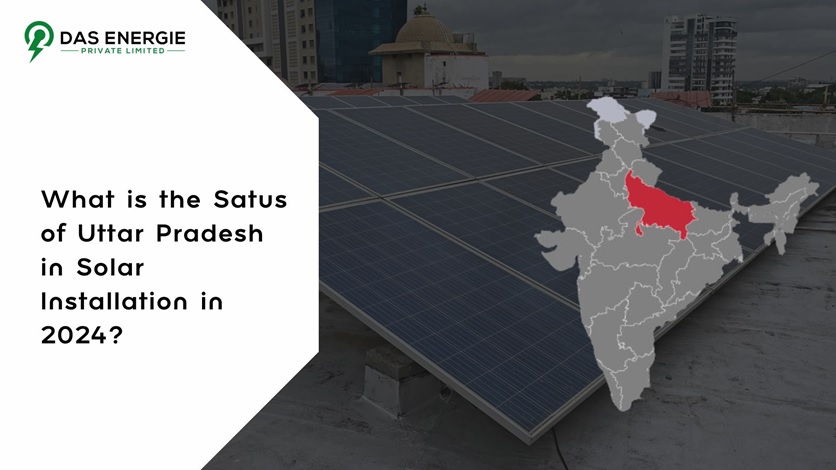
India aims to achieve net zero emissions by 2070. As Uttar Pradesh is India’s most populous state, it will play a significant role in helping India meet its renewable energy targets. As per the Uttar Pradesh Solar Energy Policy 2022, UP can produce over 3 gigawatts of solar power. The UP government is running several initiatives to promote solar installation in Uttar Pradesh.
What is the Status of Solar Installation in Uttar Pradesh?
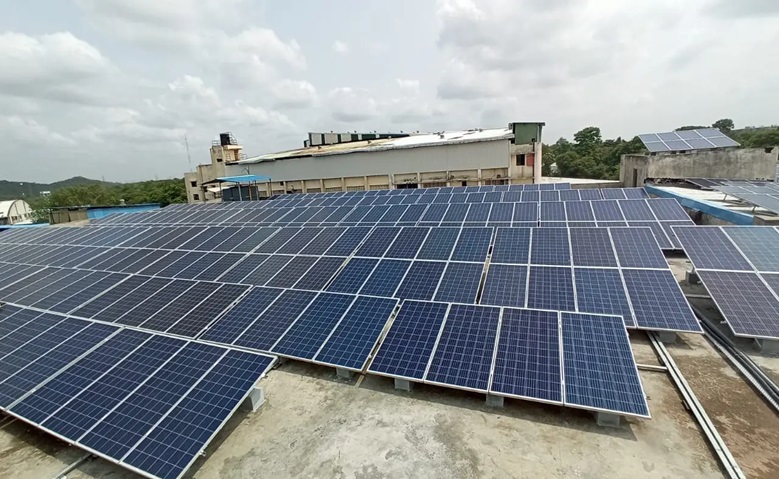
As of 31 August 2024, Uttar Pradesh’s solar power capacity stood at 3.28 GW. Out of this, 2.7 GW comprises ground-mounted solar projects, 265 MW is installed under the PM Surya Ghar Yojana, and off-grid solar and PM KUSUM installations comprise 315 MW.
Things to Know About Uttar Pradesh Solar Energy Policy
To promote solar installations in the state and help India meet its renewable energy targets, the Uttar Pradesh government unveiled the Uttar Pradesh Solar Energy Policy 2022. Here are its key takeaways:
1. Policy Target
UP government wants to raise the state’s solar power capacity to 22 GW by 2026-27. Here’s a breakdown of how the target is set to be achieved:
- Utility Scale Solar Projects/Parks: 14 GW
- Solar Rooftop (Residential): 4.5 GW
- Solar Rooftop (Non-residential institutions): 1.5 GW
- Distributed Solar Generation (PM KUSUM component C1 & C2): 2 GW
The policy is expected to generate employment for at least 30,000.
2. Solar Power Purchase
Power generated under component C of the Pradhan Mantri Kisan Urja Suraksha Evam Utthan Mahabhiyaan (PM-KUSUM), solar rooftop systems, and utility-scale solar park will be sold to the Uttar Pradesh Power Corporation Limited (UPPCL).
3. Policy Aims
The following are the major aims of the Uttar Pradesh Solar Energy Policy 2022:
- Developing solar parks
- Providing power to on-grid solar pumps
- Solar installations along expressways and railway tracks
- Developing floating solar power plants
- Installing on-grid solar systems with solar subsidy in Uttar Pradesh
- Developing off-grid solar systems such as water pumps, water heaters, and home lighting systems.
- Developing Green Energy Corridor in Bundelkhand
- Developing manufacturing of solar equipment
4. Rooftop Solar Scheme
The UP government aims to install on-grid rooftop solar systems in residential, government, and educational institutions through this policy.
For individual households, the government has started the “Saurya Uttar Pradesh Yojna” under which the government will provide a subsidy of 15,000/kW up to a maximum limit of subsidy of Rs. 30,000. The solar subsidy in Uttar Pradesh will be in addition to the subsidy provided by the central government under the PM Surya Ghar scheme. To get this solar subsidy, residents need to connect with the DISCOM-registered solar company in Uttar Pradesh.
5. Ayodhya Solar City
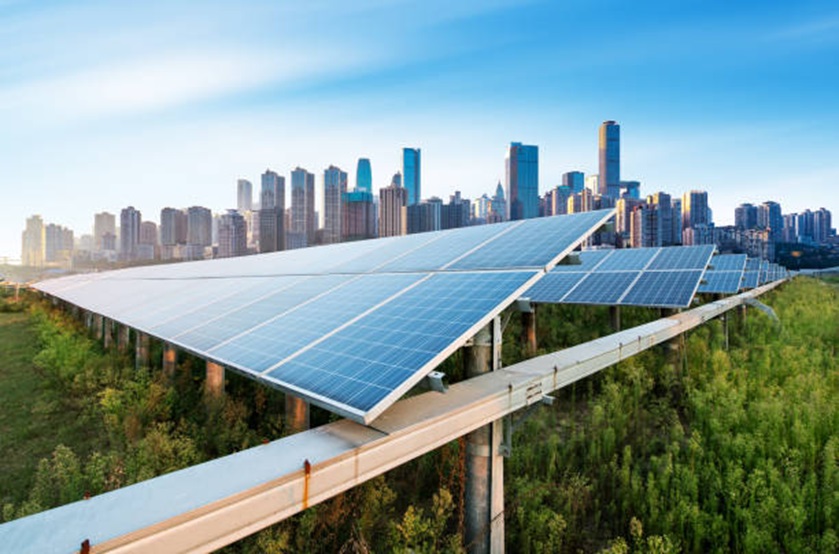
The Uttar Pradesh government will develop Ayodhya as a model solar city under the Solar City programme. This experience will be used to develop 16 municipal corporations and Noida as solar cities.
As far as funding is concerned, the total population of a municipal corporation (as per Census 2011) will be multiplied by 50 to calculate the amount which will be allocated to it.
The policy defines a solar city as a city where at least a 10% decline in estimated demand for conventional energy is observed after the end of 5 years as a result of renewable energy generation. A solar city will comprise rooftop solar systems, solar trees, solar streetlights, solar water pumps etc.
6. Off-grid Solar Systems
The policy will also promote the installation of off-grid and hybrid solar systems. Installation of off-grid solar systems in schools, Anganwadi centres, solar plants and solar streetlights will be promoted.
The priority order among unelectrified areas will be as follows:
- Naxalite affected area
- Vantangia area
- Tribal/Mushar area
- Other village/hamlets
If you also want to install an off-grid or on-grid solar system, you may wish to ask a solar company in Uttar Pradesh to install your solar system. If you live in Noida, you can specifically search for a solar company in Noida.
7. PM KUSUM
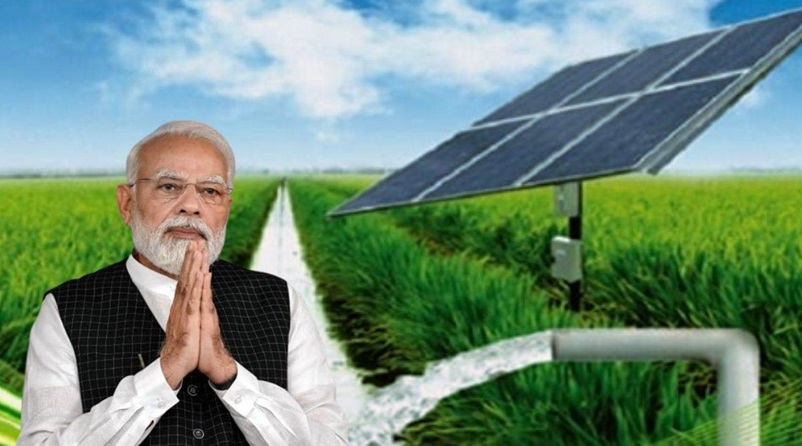
Under the C-1 component of PM KUSUM, the state government will give a 70% subsidy to Scheduled Tribe, Vantangia and Musahar caste farmers for the solarisation of on-grid pumps. This subsidy will be over and above the subsidy provided by the central government. Other categories of beneficiaries will get a 60% subsidy.
Under the C-2 component of PM KUSUM, solarization of segregated agriculture feeders will be encouraged. The state government will provide maximum Viability Gap Funding (VGF) of Rs. 50 lakh per megawatt.
8. Development of Solar Parks
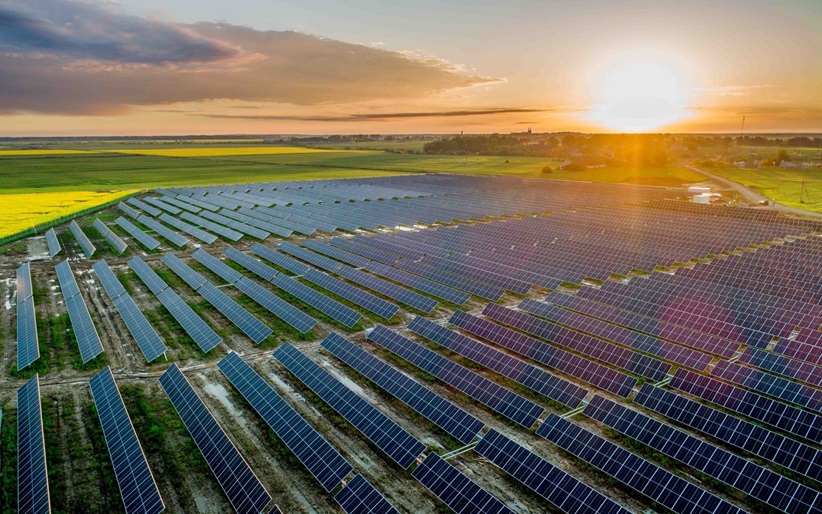
The UP government will promote the development of solar parks in wastelands under the Uttar Pradesh Solar Energy Policy 2022. These parks will be developed under a “plug and play” model.
The government will invite private players to develop solar parks in the state. Revenue land will be provided on lease for 30 years at Rs 15,000/- per acre per year. Development of the solar park must commence within 3 years otherwise the government will take the land back.
Public sector developers looking to build solar parks will be provided the following incentives:
- They can get land on a lease or right-to-use basis at the rate of Rs. 1 per acre per year
- Solar parks will get connectivity to the nearest Grid substation. However, the solar power park developer will bear the cost of the external transmission network, if any.
- Solar projects within the solar park will be allocated via competitive bidding under the MNRE guidelines.
9. Solar Power Projects with Storage Systems
The state government will support solar projects with storage systems such as batteries, pumped hydro storage, grid-connected storage etc.
Utility-scale solar projects with 4 hours of battery storage with 5 MW capacity or above and a standalone battery storage system will receive a capital state subsidy of Rs 2.50 crore per megawatt.
10. Stamp Duty
The government will provide a 100% exemption from stamp duty for land utilised for setting up solar parks.
11. Infrastructure Subsidy
Standalone solar projects with a capacity of 5 MW and above which will be set up in Bundelkhand and Purvanchal region will receive a 100% subsidy for the construction of the transmission line for the following lengths:
- 5 to 10 MW capacity: 10 km
- 10 to 50 MW capacity: 15 km
- Over 50 MW capacity: 20 km
The electricity duty will be waived for all solar projects in Uttar Pradesh and will be exempted for 10 years if they sell their power to a distribution licensee, a 3rd party, and for captive consumption. As India aims to meet its international renewable energy commitments, solar installation in Uttar Pradesh will play an important role in generating the solar component of India’s targets.
You can also help India go solar with home rooftop solar panel installation. You can contact a solar company in Delhi or Uttar Pradesh through Das Energie to install a solar system. It onboards solar installation partners across India to help customers find the best installer. You can use their services to get the best deals for solar installation.